In Store Pickup Available


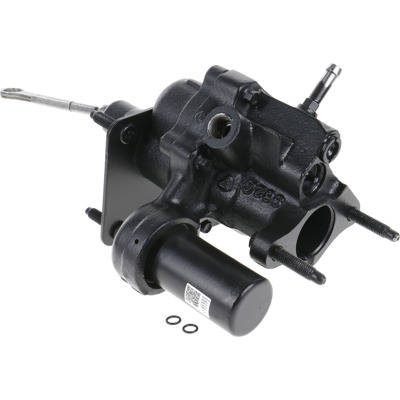
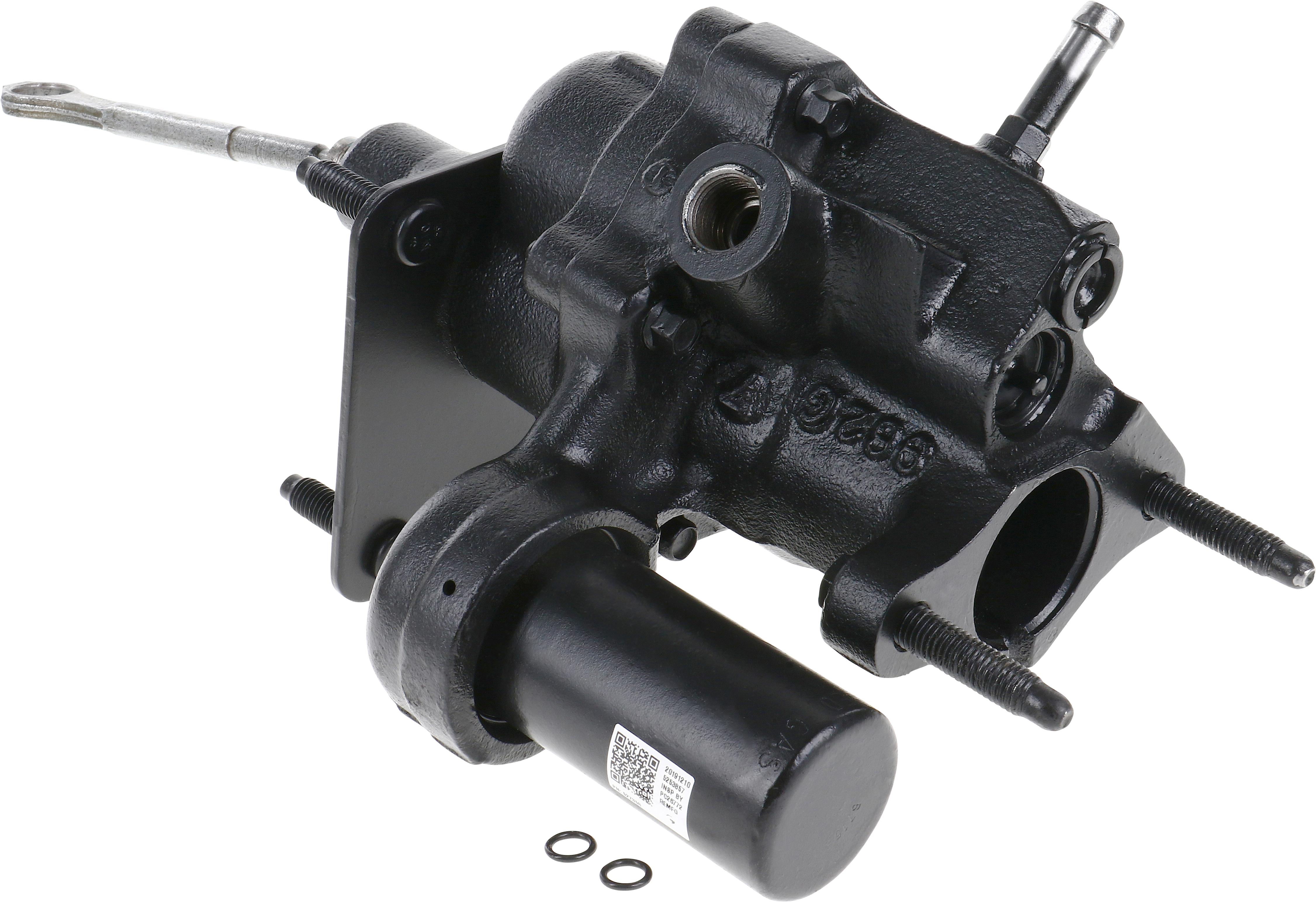

| Housing Material | Cast Iron |
| Is Prop Sixty Five Affected | No |
| Is the item CARB affected | No |
| Housing Diameter | 54.81 |
| Is Or Contains A Battery | No |
| Product Condition | Remanufactured |
| Gasket Or Seal Included | Yes |
| Color | Black |
| FAA_A6 | Most hydraulic boosters are equipped with a pedal rod identification number. These numbers are stamped on the end of the pedal rod near the eyelet. The pedal rod identification number is one of the most accurate ways to choose the correct replacement hydraulic booster. |
| FAA_A7 | A hydraulic booster can be tested just like a vacuum booster. With the engine off, pump the brake pedal until you feel firm resistance, then hold. Start the engine. Proper operation should result in the brake pedal slightly sinking. |
| Contains Electronic Components? | No |
| FAA_A4 | The hydraulic booster is designed to operate within the pressure range of the power steering system. In most cases this is at least 1200 PSI (deadhead pressure). |
| FAA_A5 | Yes, since the power steering lines have been removed, the system has been subjected to air. The power steering system will need to be bled using the O.E. bleeding procedure. |
| FAA_A2 | As part of the power steering system, hydraulic boosters require O.E. power steering fluid. |
| FAA_A3 | Yes, the master cylinder pushrod, spring and retainer will need to be retained and reused on the replacement hydraulic booster. |
| FAA_A1 | Hydraulic boosters are most commonly used on heavy duty pickup trucks and industrial applications. However, hydraulic boosters can be found on passenger vehicles as well. |
| Prop 65 | NO |
| FAA_A8 | Yes, the hydraulic booster should be flushed along with the power steering system. This should be done in accordance with the O.E. maintanence intervals. |
| FAA_A9 | This is possible, but not recommended. Altering or modifying a brake system puts the vehicle at higher risk of brake failure. |
| E-Waste | No |
| Is Item A Chemical | No |
| FAQ_Q5 | Will I need to bleed my power steering system after installation? |
| FAQ_Q4 | How much PSI of power steering pressure should a hydraulic booster have? |
| Features and Benefits | Remanufactured to match O.E. performance. |
| Is or contains a bulb? | No |
| FAQ_Q7 | How can I test my hydraulic booster? |
| FAQ_Q6 | What is the best way to identify a hydraulic booster? |
| FAQ_Q1 | What types of vehicles are hydraulic boosters used on? |
| FAQ_Q3 | Will I need to retain my master cylinder pushrod? |
| FAQ_Q2 | What type of fluid does a hydraulic booster require? |
| Brake Pedal Rod Extension Included | No |
| Mounting Bracket Included | Yes |
| Package Contents | Hydro Boost; Instruction Sheet; Sealing Kit |
| Does it require SDS | No |
| First Application Year | 1997 |
| Booster Type | Hydraulic |
| Master Cylinder Included | No |
| Is item a chemical? | No |
| SDS Required | No |
| FAQ_Q9 | Can I convert my vehicle to a hydraulic boost system? |
| Alliance Keywords | servofrein, brake booster |
| FAQ_Q8 | Does my hydraulic booster require flushing? |
| Is the item CARB affected? | No |
| Mounting Hardware Included | No |
| Material | Cast Iron |
| Brake Service Grade | Regular |
| Stud Size | 10x1.5 |
| Is Or Contains A Bulb | No |
| Stud Thread Size | 10x1.5 |
| Is or contains a battery? | No |
| Contains Electronic Components | No |
| Master Cylinder Stud Thread Size | 10x1.5 |
| Part Terminology | Power Brake Booster |